
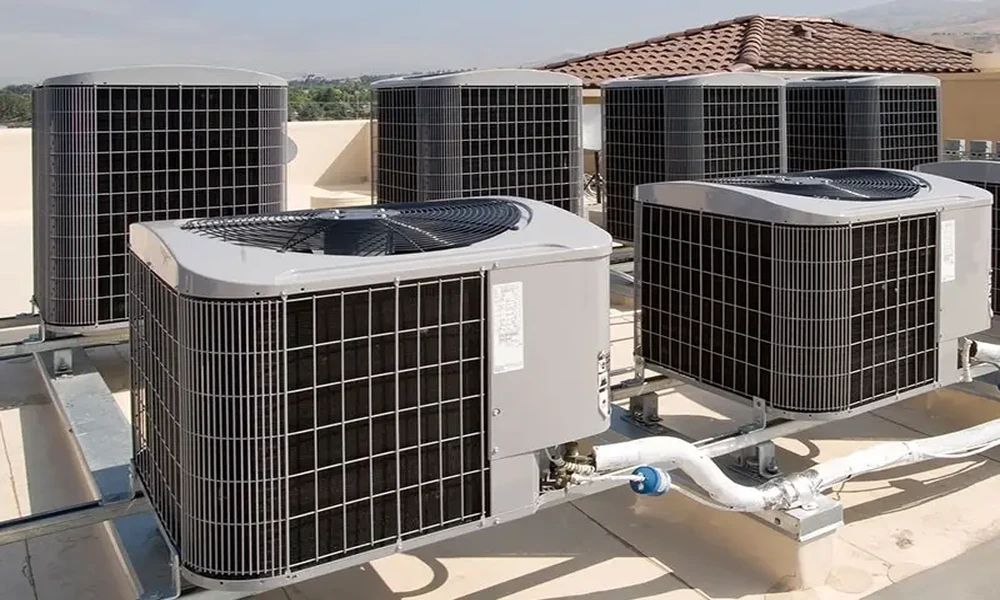

Ask around any neighborhood and you will hear the same story. The air conditioner ran fine all spring. It handled the first warm weekend without complaint. Then came the afternoon the forecast hit triple digits, and it stopped. The timing feels personal, almost cruel, but it is not bad luck. It is engineering, and understanding why it happens says a lot about how to avoid it.
A Machine That Is Only Tested a Few Days a Year
A central air conditioner is sized for the worst weather your area is likely to produce. On a mild day it is coasting, running in comfortable, short cycles with plenty of margin. On the hottest day it is asked to work close to its limit for hours without a real break. Every component carries more electrical current, more refrigerant pressure, and more heat than it has handled in months.
Parts that are healthy enough for easy days can be too worn for hard ones. A component that has quietly lost a fraction of its strength through the seasons gets by until the demand spikes. Then it fails, and it fails at the moment you need it most. The hot day did not break the system. It revealed a weakness that was already there.
The Small, Cheap Part Behind Many Big Failures
Inside the outdoor unit are components called capacitors, which give the motors a jolt of energy to start and help them run efficiently. They are small, inexpensive, and surprisingly prone to wearing out, because heat is their natural enemy. Years of summer sun on a metal cabinet slowly degrade them. A weak capacitor may cause hard starts, a humming sound, or a fan that needs a push to get going. A failed one can stop the compressor or fan completely.
The unlucky part is that a worn capacitor often works fine until the day temperatures peak, when the added strain pushes it past its limit. The repair itself is usually modest compared with the cost of what it can damage if ignored. A motor forced to struggle against a failing capacitor can burn out, and that is a far larger bill.
When the Air Gets Tired of Moving
Airflow is the unsung foundation of cooling. The system pulls warm air across a cold coil indoors, and the refrigerant carries the captured heat outside. If that stream of air weakens, the whole process falters.
A clogged filter is the classic culprit, but it is not the only one. A dirty indoor coil acts like a blanket over the metal. A struggling blower motor moves less air than it should. Ducts that have developed leaks or crushed sections deliver less to the rooms. When airflow drops, the indoor coil can get so cold that moisture on its surface freezes, building a layer of ice that blocks airflow even further. By the time homeowners notice weak cooling or water dripping near the air handler, the coil may already be partly encased in frost.
The strange part is that a frozen coil often appears during the hottest weather, even though it seems like the opposite should happen. The reason is that the system is running constantly, giving the ice time to build, while the restricted airflow keeps the coil too cold to melt it.
The Refrigerant Question
Refrigerant is the lifeblood of the system, carrying heat from inside your home to the outdoors in a sealed loop. Unlike fuel in a car, it is not meant to be used up. If the level is low, there is a leak somewhere. This is one of the most misunderstood parts of air conditioning repair, because topping off a system without finding the leak is a temporary fix at best. The charge drops again, the system struggles, and the compressor, the most expensive component, can suffer from running under the wrong conditions.
Low refrigerant tends to announce itself with cooling that feels weaker than before, longer run times, ice on the copper line outside, or a hissing sound. A technician can measure pressures and temperatures to see whether the charge is correct and where trouble might be hiding.
Heat, Dirt, and the Outdoor Unit
The outdoor condenser has one job: dump heat into the outside air. It needs a clean coil and free airflow to do that. When cottonwood fluff, grass clippings, dust, and pet hair coat the fins, the unit cannot shed heat efficiently. Pressure and temperature inside rise, the compressor works harder, and the system may trip a safety device and shut off to protect itself.
On a mild day the unit can compensate. On a scorching afternoon, with the outdoor air already hot, it has no room left to compensate. Overgrown shrubs, a fence built too close, and even stored items stacked against the unit have the same effect by smothering the airflow it depends on.
Electrical Weak Points
Air conditioners are electrical machines, and electrical connections age. Contactors, the switches that send power to the compressor, develop pitted contacts from thousands of cycles. Wiring connections loosen from vibration and heat. Insects occasionally nest in control compartments. Any of these can cause intermittent trouble that comes and goes with the temperature, which makes problems look mysterious until someone measures them.
Reading the Warning Signs Before the Crisis
Most failures send a message in advance, if you know how to interpret it. Cooling that seems a little weaker each week, a unit that runs longer than usual to hit the same temperature, a new noise, a faint burning smell, or a spike in your energy bill without a change in habits all suggest that something is working harder than it should. Water pooling near the indoor unit and ice anywhere on the system are signals worth acting on the same day.
The U.S. Department of Energy provides an accessible overview of central air conditioning and how it works, which is useful if you want to understand the equipment before you talk with a technician.
Choosing Repair at the Right Moment
The best time to address a weakening system is before the heat wave, not during it. Technicians are in highest demand when temperatures peak, and waiting times stretch. Parts can take longer to arrive, and homeowners, sweating through a long evening, tend to accept whatever solution is offered first.
If your system is acting up, a company offering air conditioning repair can look for the specific cause rather than guess. Air conditioning repair in Monmouth is available through Garden State Air Conditioning and Heat, and a conversation with a local team is a reasonable first step if you notice any of the warning signs above. Describe what you have observed in as much detail as you can, including when the problem appears, what it sounds like, and what has changed recently. That description often speeds the diagnosis considerably.
Repair Versus Replacement, Thought Through Calmly
An older system that needs a major component, such as a compressor, raises a genuine question. Repair costs, the age of the equipment, its efficiency, and the type of refrigerant it uses all matter. Older systems use refrigerants that are being phased out, which can make servicing them more expensive over time. A sensible approach is to ask for a clear explanation of what failed, what the repair will cost, what you can expect afterward, and how that compares with the price and benefits of a newer unit. Good technicians will lay out the tradeoffs honestly and let you decide.
The Bottom Line
An air conditioner that dies on the hottest day was rarely healthy the day before. It was a system with a worn part, a restricted airflow path, or a slow leak that stayed hidden until demand rose high enough to expose it. Once you see failures that way, the lesson becomes clear. Pay attention to the small changes, treat odd behavior as information rather than inconvenience, and seek help while the weather is still forgiving. The most comfortable summer is the one in which the hottest day is just another quiet afternoon.











Leave a Comment