
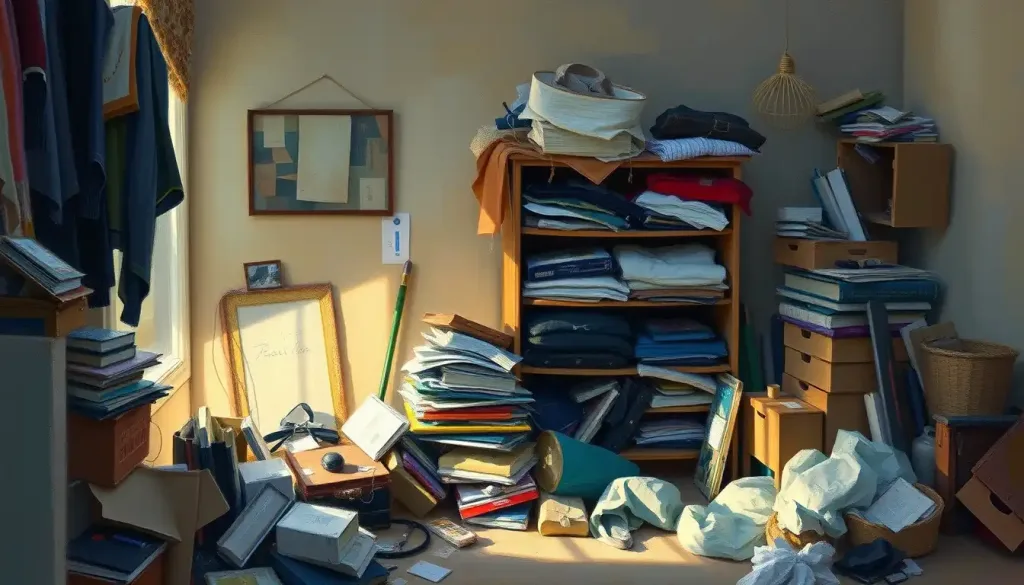

In many Glendale households, clutter is not simply a matter of poor organization. It often reflects emotional habits shaped by memory, comfort, and identity. While extra items may seem harmless, emotional storage can quietly affect daily routines, stress levels, and even relationships.
Understanding why people keep clutter is the first step toward creating healthier living spaces in Glendale homes.
Emotional Attachment and Memory Preservation
People in Glendale, like elsewhere, often keep items because they represent moments that feel too important to forget. Objects become symbols of personal history.
Common emotionally stored items include:
- Childhood keepsakes and school awards
- Gifts from loved ones
- Clothing tied to important life events
- Souvenirs from Glendale community festivals or trips
These items act as physical memory holders. Letting them go can feel like losing part of one’s story, even when the objects are rarely used.
Fear of Loss and “Just in Case” Thinking
Another strong reason clutter builds up in Glendale homes is the fear that something might be needed later. This mindset encourages storage instead of decision-making.
Typical thoughts that support clutter include:
- “I might need this someday.”
- “This could be useful if something breaks.”
- “It would be wasteful to throw this away.”
In Glendale, where families may pass items between generations, this habit can become cultural and long-lasting. Over time, the home becomes a backup storage system for imagined future needs.

Identity and Self-Expression Through Belongings
Personal belongings often reflect who people believe they are or who they hope to become. In Glendale, hobbies, career goals, and lifestyle plans often shape what people keep.
Examples of identity-based clutter include:
- Unused fitness equipment for future health goals
- Old work materials tied to past careers
- Craft supplies from abandoned hobbies
These items support a person’s self-image, even if they no longer fit current routines. Removing them may feel like giving up on certain ambitions.
Emotional Comfort and Stress Response
Clutter can also serve as emotional protection. For some Glendale residents, surrounded by familiar items creates a sense of safety, especially during stressful periods.
Emotional comfort clutter often appears when:
- Life changes feel overwhelming
- Grief or loneliness is present
- Decision-making feels exhausting
In such cases, keeping items becomes easier than processing difficult emotions. The clutter then becomes a quiet coping strategy rather than an organizational problem.
Family Habits and Learned Storage Behavior
Many storage habits develop early in life and continue into adulthood. Glendale families that experienced financial challenges or frequent moves may pass down strong saving behaviors.
Learned clutter patterns may include:
- Storing broken items for parts
- Keeping large quantities of duplicates
- Avoiding discarding anything that “still works”
These habits are often rooted in responsibility and caution. However, when they go unexamined, they can gradually limit living space and mental clarity.
Psychological Impact of Cluttered Spaces
Although emotional storage feels comforting at first, clutter can create ongoing stress. Glendale residents often report feeling overwhelmed when their homes become too full to manage easily.
Common effects of clutter include:
- Reduced ability to relax at home
- Increased frustration during daily tasks
- Difficulty focusing or sleeping well
Moving Toward Healthier Storage Choices in Glendale
Addressing emotional clutter does not require removing all sentimental items. Instead, it involves building awareness and making thoughtful choices.
Helpful strategies include:
- Choosing a few meaningful items to represent memories
- Taking photos of sentimental objects before donating them
- Asking whether an item supports current life needs
- Creating small memory boxes instead of storing everything
Conclusion
Clutter in Glendale homes often reflects emotional protection, personal history, and learned habits rather than simple disorganization. By understanding the psychology behind emotional storage, residents can approach decluttering with patience instead of guilt.
When people recognize why they keep certain items, they can create spaces that honor memories while still supporting calm, functional living.


Leave a Comment