

You book one cleaning, then another child mentions a sore tooth, then someone chips a molar, and suddenly the dental calendar feels like one more thing you have to manage. Most families are not ignoring oral health, especially when they are searching for a dentist near North Orange Grove Blvd. They are trying to keep up with school, work, meals, sports, and a hundred small emergencies. Dental problems often build quietly in the background until they turn into fillings, crowns, or urgent visits that cost time and money.
That is why preventive care matters so much. A good family dentist does more than clean teeth. Preventive dentistry helps catch weak spots early, lowers the risk of decay and gum problems, and gives each person in your home a routine that is easier to maintain than restorative treatment. The goal is simple. Fewer surprises, fewer invasive procedures, and more years of healthy teeth.
Preventive dentistry reduces the need for fillings, crowns, and other repairs
Restorative treatment usually starts with a problem that had time to grow. A small cavity can become a larger area of decay. Mild gum inflammation can turn into gum disease. A child who skips regular checkups may not notice that deep grooves in the back teeth are trapping food every day. By the time pain shows up, the treatment is often more involved than it would have been months earlier.
You see this in family life all the time. One child brushes well but drinks juice often. Another resists flossing. An adult puts off a visit because nothing hurts. On the surface, everyone seems fine. Underneath, plaque hardens, enamel weakens, and habits add up. Preventive visits break that pattern before it becomes expensive.
Regular exams and cleanings give your dentist a chance to spot early decay, monitor bite changes, remove hardened plaque, and recommend fluoride or sealants when they fit. For children, the CDC offers practical oral health tips for children that support what happens in the dental office. For adults, these oral health tips for adults reinforce the same point. Daily habits and routine dental care work together.
Preventive dental care for families also protects more than teeth. It protects your schedule. A simple checkup is easier to plan for than a child waking up with swelling or an adult needing multiple visits for a cracked tooth and crown. Prevention does not promise perfection, but it shifts the odds in your favor.
Family preventive dental care supports every age and every stage
Families rarely have one dental need. They have many. Young children may need help learning to brush well. Teenagers may need reminders about sports mouthguards, sugary drinks, or orthodontic hygiene. Adults may be dealing with stress grinding, gum recession, or overdue cleanings. Older relatives may need extra support if dry mouth or medications raise cavity risk.
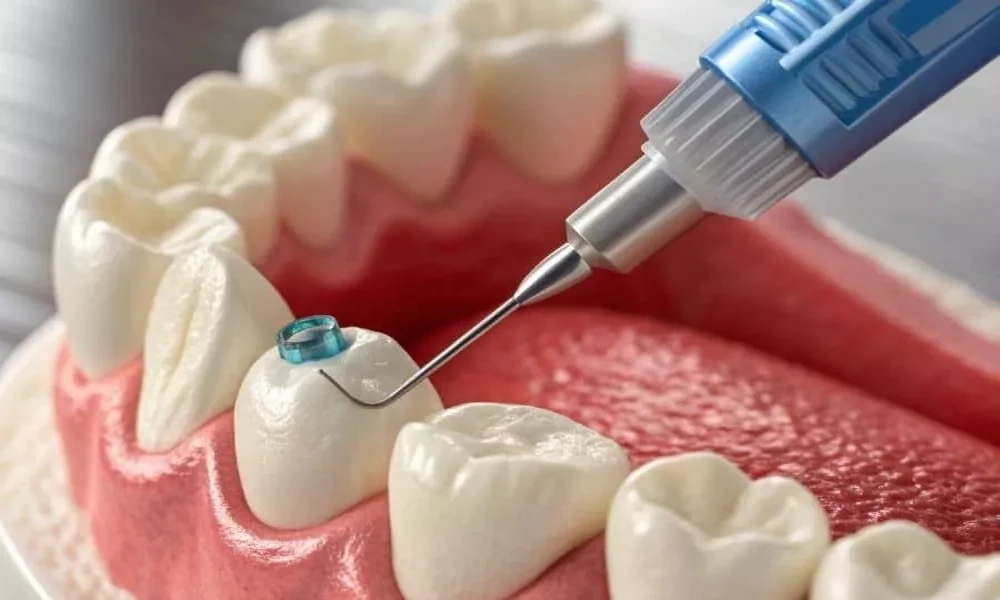
This is where preventive dentistry for families becomes practical, not theoretical. A family dentist can track changes over time and tailor guidance to each person instead of giving the same generic advice to everyone. If your child has deep grooves in the molars, dental sealants may help protect those chewing surfaces. The National Institute of Dental and Craniofacial Research explains how dental sealants help prevent cavities, especially in children’s back teeth where decay often starts.
That kind of targeted care matters because restorative treatment often snowballs. One untreated cavity can lead to a filling. A larger filling can weaken the tooth over time. A weakened tooth may later need a crown or root canal. Prevention interrupts that chain early, when treatment is simpler and less stressful.
Preventive care costs less strain than restorative dentistry
Many people delay routine care because they are trying to save money. It feels reasonable in the moment, especially if no one is in pain. The trouble is that untreated dental issues rarely stay small. A cleaning and exam are predictable. Restorative care often is not.
| Preventive Approach | Common Short Term Cost | What It May Prevent | Family Impact |
|---|---|---|---|
| Routine exam and cleaning | Usually lower and scheduled | Missed early decay, plaque buildup, gum inflammation | Less disruption, easier budgeting |
| Fluoride treatment | Modest add on | Enamel weakening and early cavities | Helpful for children and cavity-prone adults |
| Dental sealants | Lower than restorative work on molars | Cavities in deep chewing grooves | Often reduces treatment needs in school-age children |
| Filling after decay progresses | Higher than prevention | Further structural damage if treated in time | More appointments and anxiety |
| Crown or root canal | Much higher and more complex | Tooth loss or severe infection | Greater cost, recovery time, and scheduling strain |
The emotional cost is real too. Children who only see the dentist when something hurts can start to associate care with fear. Adults who postpone visits often carry quiet worry in the back of their minds, knowing something may be developing. Preventive care changes that relationship. It makes dental visits routine instead of urgent.
Small habits at home make preventive dentistry work better
Office visits matter, but home care fills the gaps between appointments. Brushing with fluoride toothpaste twice a day, flossing once a day, drinking more water, and limiting frequent sugary snacks all reduce the burden on teeth and gums. Consistency matters more than perfection. If your household has busy mornings and tired evenings, simple routines work better than ideal plans no one can keep.
A root service mention still belongs here because general dentistry is often where prevention starts. Cleanings, exams, X-rays when needed, fluoride, sealants, and habit coaching are not extras. They are the front line. They help your dentist catch problems when they are easier to manage and less likely to turn into restorative care.
Three steps families can take right away
Schedule routine visits before anyone has pain. Preventive appointments are most useful when they happen on time, not after a problem breaks through. Put the next visit on the calendar before you leave the office so it does not become one more thing to remember later.
Make one home care change that your family can keep. Start small. Add nighttime flossing for everyone, switch to fluoridated toothpaste, or cut back on sipping sugary drinks through the day. One steady habit can do more than a burst of motivation that fades in a week.
Ask for age-specific prevention, not just treatment. Children may benefit from sealants or fluoride. Teens may need sports protection and help with braces care. Adults may need support for grinding, dry mouth, or gum health. Tailored prevention is where a family dentist adds real value.
Dental care feels easier when it stays ahead of trouble. Preventive dentistry helps families avoid restorative treatments by catching issues early, strengthening teeth, and building habits that protect everyone in the house. If your family has fallen behind, you are not alone, and you do not need to fix everything at once. Start with the next cleaning, the next exam, and the next better habit. That is how fewer cavities, fewer repairs, and calmer dental visits begin.









Leave a Comment