
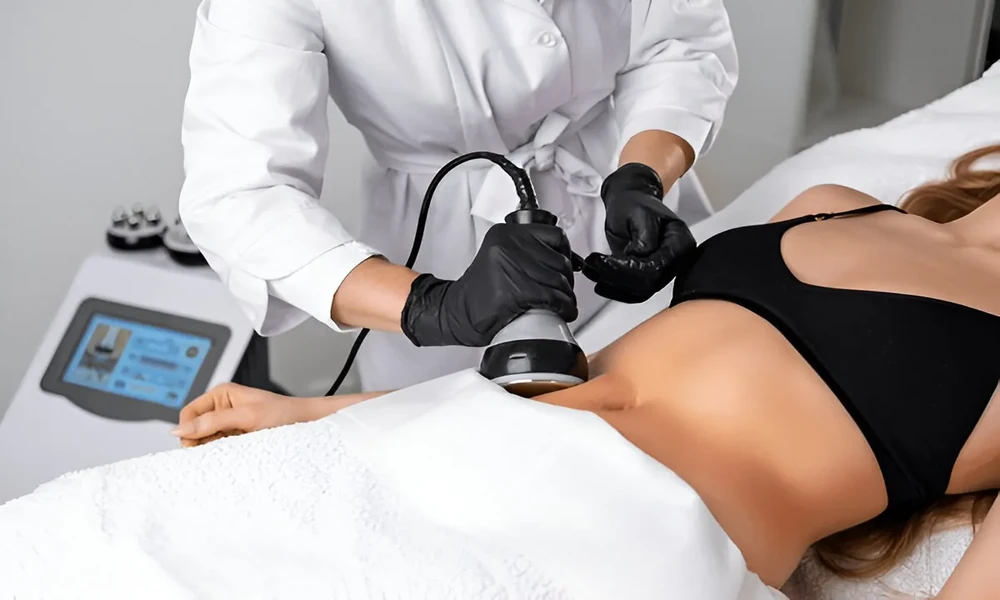

Certain fat pockets remain noticeable despite steady lifestyle habits. A body contouring treatment can focus on these stubborn areas with controlled methods. The main aim involves shaping selected regions without disturbing nearby skin. Different techniques work at different tissue depths. Treatment planning also considers skin condition and fat distribution. These details help create a more balanced contour while keeping surrounding tissue protected throughout the process.
Targeted Energy Shapes Specific Areas
Focused treatment directs energy toward selected fat layers beneath skin. Placement matters because each region has different tissue thickness. The applicator therefore follows the area’s natural shape. Controlled exposure helps concentrate treatment where contour changes matter most. This approach also limits unnecessary contact with nearby areas. Careful positioning becomes especially important around curved body surfaces.
Skin Protection Begins With Controlled Settings
Surface protection depends on suitable settings and accurate applicator contact. Certain methods use temperature control during the session. This helps keep surface tissue within a managed range. Proper positioning adds another layer of protection during treatment.
- Settings remain suited to the selected treatment area.
- Applicators maintain steady contact across targeted zones.
- Surface temperature receives careful attention throughout sessions.
- Treatment boundaries stay clear during application.
Different Methods Affect Fat Layers Differently
Fat tissue can respond through cooling, heating, or mechanical action. Each approach works through a different physical process. Cooling exposes selected tissue to controlled low temperatures. Heat-based methods raise temperatures across specific deeper layers. Mechanical approaches use movement or pressure across chosen areas.
A body contouring treatment therefore requires suitable method selection. The choice depends on body area, tissue thickness, and desired shaping. Skin condition also influences the planning process. No single approach suits every contour concern equally.
What Keeps Nearby Skin Protected?
Protection relies on controlling where treatment energy travels. Modern applicators can focus activity across defined tissue depths. Cooling systems may also help manage surface temperatures. Treatment settings further reduce exposure beyond planned boundaries.
- Applicator placement follows the area’s natural contours.
- Energy remains focused across selected tissue depths.
- Cooling can help manage surface temperature.
- Professional monitoring supports controlled treatment delivery.
Skin Quality Influences Visible Contour Changes
Fat reduction does not create identical results for everyone. Skin elasticity can influence the final shape after treatment. Tissue firmness also affects how clearly contours become visible. Loose skin presents a different concern from concentrated fat.
For example, firm abdominal tissue may show clearer definition afterward. However, stretched skin may remain after fat reduction. This distinction helps set realistic expectations before treatment begins.
Precise Planning Refines The Final Shape
Effective planning starts with identifying suitable treatment zones carefully. A professional assesses fat thickness, skin quality, and body proportions. Markings can then guide precise applicator placement during treatment.
Consider an abdomen with concentrated upper fat deposits. Treatment can focus on that area without covering unaffected regions. This selective approach supports controlled shaping across the intended contour. As a result, surrounding tissue receives less unnecessary exposure.
Contour Changes Depend On Tissue Detail
A carefully marked treatment zone does more than guide placement. It establishes where controlled action should begin and end. That boundary matters when surrounding skin needs protection. Ultimately, precise contouring depends on respecting differences between fat layers and neighboring tissue.
FAQs
Can body contouring target one specific fat pocket?
Suitable procedures can focus on defined areas where localized fat remains noticeable despite lifestyle efforts.
Does fat reduction automatically tighten loose skin?
Not always. Fat reduction and skin tightening involve different tissue concerns requiring separate assessment.
How does treatment protect surrounding skin?
Controlled settings, accurate placement, and temperature management help limit effects on nearby tissue.
What affects the final contour after treatment?
Fat thickness, skin elasticity, tissue firmness, treatment area, and chosen technique can influence visible changes.









Leave a Comment