
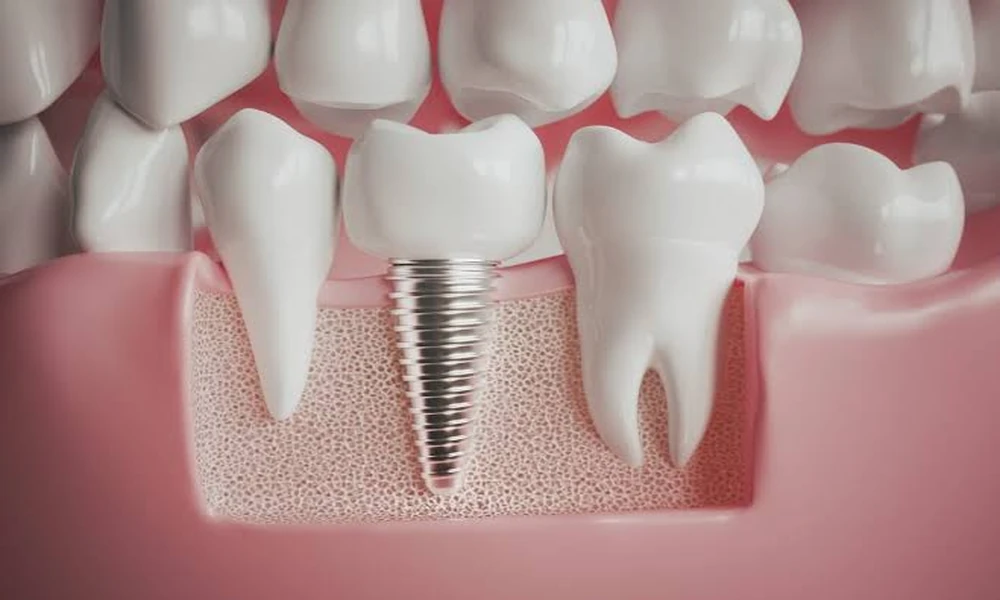

You may be looking at your smile and seeing more than a missing tooth. You might be seeing the way you cover your mouth when you laugh, the way certain foods have become annoying to eat, or the low grade worry that people notice the gap before they notice you. That mix of appearance and function is exactly why implant treatment matters. A well planned dental implant is not only there to fill space. It is there to look natural, feel stable, and hold up to daily life. For patients considering options after dental extractions Westchester County NY, implant treatment can be an important step toward restoring both confidence and function.
How implant dentistry blends aesthetics with durability comes down to materials, planning, and placement. The best results do not chase looks alone, and they do not focus on strength at the cost of a natural smile. A periodontist and implant dentist works in the middle of both needs, protecting the gums and bone that support the implant while also shaping a result that fits your face, bite, and long term health.
Dental implants succeed when appearance and strength are planned together
A tooth replacement that looks good for a month but chips, shifts, or traps food is frustrating. One that lasts for years but looks bulky or sits wrong against the gums can be just as upsetting. You live with both the mirror and the bite, so both have to be right.
That is why implant dentistry aesthetics and durability are tied to the same foundation. The implant post has to integrate with the bone. The gum tissue has to frame the crown in a way that looks natural. The final tooth has to match the shape, color, and light reflection of the teeth around it. If one part is off, the whole result can feel off.
This is often where people get overwhelmed. They assume a missing tooth means a simple replacement, then learn there may also be bone loss, gum recession, bite pressure, or spacing issues. If a tooth has been missing for a while, the jawbone in that area can shrink. If the gum line is uneven, even a strong implant can still look artificial. A skilled provider plans for these details before the implant ever goes in.
Materials play a major role here. Ongoing work in dental materials research continues to improve the strength, fit, and appearance of restorations. Modern implant systems and crowns are designed to handle daily chewing forces while still creating a more natural look than older tooth replacement options often could.
Periodontist and implant dentist care protects the tissues that make implants look natural
People often focus on the visible tooth, but the gums are what make a smile look believable. If the gum line is puffy, uneven, or receding, even a beautifully made crown can stand out for the wrong reason. A periodontist and implant dentist pays close attention to the bone and soft tissue because that support is what gives the implant both stability and appearance.
Think about a front tooth replacement. Strength matters, of course, but you are also dealing with the part of your smile people notice first. If the implant is placed at the wrong angle, the crown may look too long or too flat. If the surrounding tissue is thin, metal or shadowing may show through. If the bite is not balanced, too much force can stress the implant over time. Small planning errors can turn into visible problems.
The same logic applies in the back of the mouth, even if the implant is less visible. A molar implant has to manage heavy chewing pressure. If it is restored without enough support or proper bite adjustment, you may end up with loosening, wear, or discomfort. That is why dental implant treatment is not just a cosmetic service and not just a structural one. It is both.
The U.S. Food and Drug Administration also outlines key facts about dental implants and what patients should know, including the need for careful evaluation, maintenance, and follow up care. Implants can be highly successful, but they still require healthy habits and a treatment plan built around your actual mouth, not a generic template.
Comparing aesthetics and durability factors in implant dentistry
| Factor | Aesthetic Impact | Durability Impact | What to Watch For |
|---|---|---|---|
| Bone support | Helps the tooth sit at the right height and angle | Stabilizes the implant under chewing pressure | Bone loss can affect both appearance and long term success |
| Gum tissue quality | Creates a natural frame around the crown | Protects the implant from irritation and exposure | Thin or uneven gums may need added treatment |
| Crown material | Affects color match and light reflection | Influences wear resistance and fracture strength | Material choice should fit tooth position and bite force |
| Implant placement | Determines how natural the final tooth looks | Distributes force more evenly into the jaw | Poor angle or depth can lead to visible and functional issues |
| Maintenance | Keeps gums healthy and the smile clean | Reduces risk of inflammation around the implant | Skipping cleanings can shorten implant lifespan |
Small decisions during treatment shape the final implant result
Cost is part of this conversation too. You may be tempted to compare implants by price alone, especially if you have already spent money on extractions, temporary teeth, or past dental work that did not last. That reaction makes sense. Still, the lowest quote may not include the planning, imaging, tissue care, or restoration quality needed for a result that looks right and lasts.
A single implant can involve diagnostics, bone grafting in some cases, surgical placement, healing time, and the final crown. When that process is done carefully, you are not paying for a tooth shaped object. You are paying for the support system that lets the replacement function like part of your mouth.
That balance is the heart of tooth implant aesthetics and strength. A natural looking result depends on healthy tissue, precise positioning, and a restoration made for your bite. A durable result depends on those same things. They are not separate goals competing with each other. They support each other.
Three steps you can take before starting implant treatment
1. Ask for a full tissue and bone evaluation. If you are missing a tooth, ask about bone levels, gum health, and whether grafting is needed. This is where long term success starts.
2. Review the restoration plan, not just the implant surgery. Ask what the final tooth will be made of, how it will match nearby teeth, and how your bite will be adjusted. The visible result matters as much as the implant post.
3. Plan for maintenance from day one. Ask how to clean around the implant, how often to return for follow up, and what signs of trouble to watch for. Good home care protects both the look and life of the implant.
Implant dentistry works best when it respects both beauty and function
You do not have to choose between a smile that looks natural and a tooth replacement that holds up. Good implant care is built to give you both. When treatment is planned by a provider who understands gums, bone, bite, and appearance, the result can feel less like a fix and more like getting part of yourself back.
If you are considering a periodontist and implant dentist, take the next step and schedule a consultation. A careful evaluation can show what is possible, what needs attention first, and how your treatment can be designed for both appearance and durability.










Leave a Comment