


In Riverside, where residential development continues to balance modern technology with comfortable living, a new design approach is gaining momentum: emotion-sensing smart homes. These homes use neuro-responsive systems that adjust interior environments based on the emotional and mental states of residents.
Rather than relying only on schedules or manual controls, these interiors respond in real time, creating spaces that feel more intuitive, supportive, and personalized.
What Are Neuro-Responsive Smart Homes?
Neuro-responsive smart homes are designed to interpret human emotions through a network of discreet sensors and intelligent software. In Riverside households, these systems are typically integrated into everyday infrastructure, allowing homes to adapt quietly without interrupting daily routines.
Common methods used to detect emotional cues include:
- Facial expression analysis through embedded cameras in living spaces
- Voice tone recognition via smart speakers and communication systems
- Motion and posture tracking that identifies fatigue or restlessness
- Wearable device connections that provide heart rate and sleep data
By combining these inputs, the home can form a general understanding of stress levels, energy, or relaxation needs, then respond accordingly.
Interior Design That Reacts to Human Feelings
Interior design in Riverside is increasingly shaped by neuroscience research that links physical environments to emotional responses. Neuro-responsive interiors go beyond aesthetics by allowing rooms to shift their atmosphere based on how occupants are feeling.
Design features commonly used in Riverside smart homes include:
- Adaptive lighting systems that soften during high-stress moments and brighten during low-energy periods
- Temperature modulation that promotes comfort during rest and alertness during work hours
- Automated shading and window tinting to manage glare and natural light exposure
- Sound environment control that introduces calming tones or subtle background music
These changes happen gradually, ensuring that the environment feels naturally supportive rather than mechanically controlled.
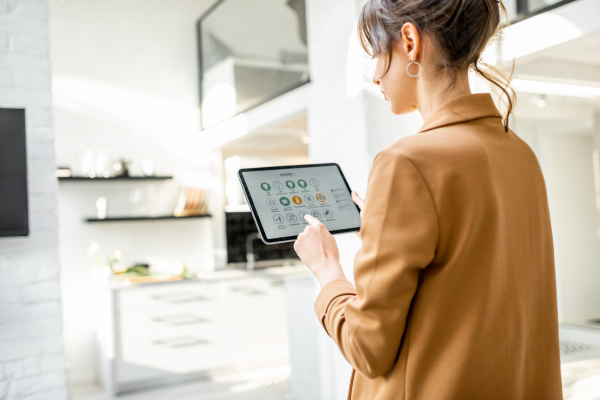
Benefits for Riverside Lifestyles
Riverside residents often manage busy schedules, long commutes, and hybrid work arrangements. Emotion-sensing interiors help ease daily transitions by adjusting spaces to suit different activities and moods throughout the day.
Key lifestyle benefits include:
- Better sleep quality through evening routines that lower light levels and noise
- Increased productivity in home offices with lighting and temperature tuned for focus
- Stress recovery in living areas after demanding workdays
- Personalized comfort zones for households with multiple occupants
Over time, these features can support healthier routines, especially for families balancing work, school, and personal wellness within the same home environment.
Design, Ethics, and Privacy in Smart Interiors
While the technology offers clear advantages, Riverside homeowners and designers are increasingly focused on ethical implementation and privacy protection. Emotion-sensing systems collect sensitive data, making responsible design essential.
Important safeguards now included in many Riverside projects are:
- Local data processing to reduce cloud-based storage risks
- Manual override options for all automated features
- Transparent consent settings for different family members
- Subtle hardware integration to preserve visual simplicity
Interior designers in Riverside are working closely with technology specialists to ensure that smart features blend into the architecture rather than dominate it.
Future Directions for Riverside Homes
As smart home platforms become more refined, neuro-responsive design is expected to become more accessible across Riverside neighborhoods. Future homes may rely less on visible sensors and more on intelligent materials and ambient systems that respond without direct monitoring.
Trends likely to influence Riverside interiors include:
- Furniture with embedded biometric sensors that support posture and relaxation
- Walls with adjustable acoustic properties for privacy and quiet
- AI-driven learning systems that adapt to long-term emotional patterns
- Wellness-centered floor plans that prioritize calm, light, and circulation
In Riverside, emotion-sensing smart homes represent a meaningful evolution in residential design. By aligning technology with human emotional needs, these interiors offer not just convenience but environments that actively contribute to comfort, mental clarity, and long-term well-being.



Leave a Comment