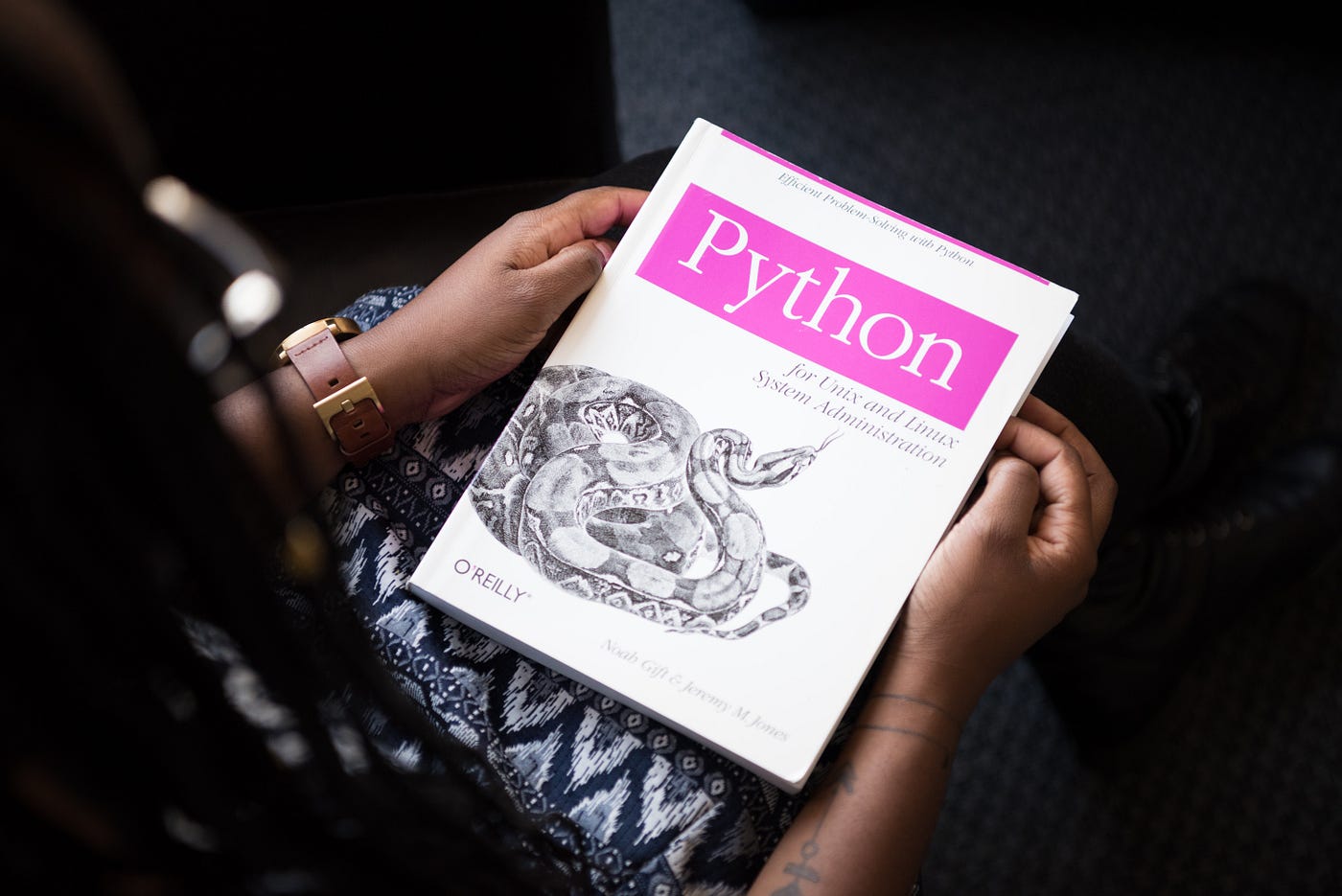

The best book for python depends on your current level. For most beginners, “Python Crash Course” by Eric Matthes remains the gold standard in 2026; it is project-based and gets you building games and web apps quickly. If you are an intermediate developer looking to master the language’s nuances, “Fluent Python” by Luciano Ramalho is essential. For those entering the AI space, “Hands-On Machine Learning with Scikit-Learn, Keras, and TensorFlow” is the definitive guide for data science.
With so many Python books available it is genuinely hard to know where to start. The difference between a good recommendation and a bad one at this stage can mean the difference between sticking with Python or giving up in frustration. This guide breaks it down honestly by skill level so you can find exactly what you need.
What Is the Best Python Book Overall?
If you could only buy one Python book, Python Crash Course by Eric Matthes is the strongest all-around choice for most people. It has sold over a million copies, covers fundamentals cleanly without being condescending, and includes three project-based sections – a game, a data visualisation project, and a web application – that make learning feel purposeful rather than academic.
That said, the ‘best’ book genuinely depends on what you need. A data scientist has different requirements from a web developer. An absolute beginner needs something different from someone switching from JavaScript. The table below maps the top books to who they are actually best for.
Best Python Books by Skill Level
| Book | Author | Level | Focus Area | Reader Rating |
| Python Crash Course | Eric Matthes | Beginner | General programming + projects | 4.8/5 |
| Automate the Boring Stuff | Al Sweigart | Beginner | Practical automation tasks | 4.8/5 |
| Learn Python the Hard Way | Zed Shaw | Beginner | Discipline-based learning | 3.9/5 |
| Python Tricks | Dan Bader | Intermediate | Idiomatic Python patterns | 4.7/5 |
| Fluent Python | Luciano Ramalho | Intermediate-Advanced | Deep Python internals | 4.8/5 |
| Effective Python | Brett Slatkin | Intermediate | Best practices – 90 tips | 4.7/5 |
| Python for Data Analysis | Wes McKinney | Intermediate | Pandas and data work | 4.6/5 |
| Hands-On Machine Learning | Aurélien Géron | Intermediate-Advanced | ML and deep learning | 4.8/5 |
Best Python Books for Beginners
Python Crash Course – Eric Matthes
This book is the starting point the majority of self-taught Python developers recommend to friends who are just getting started. The writing is clear and patient without being slow. Part one covers fundamentals – variables, lists, loops, functions, classes. Part two throws you into three real projects.
The alien invasion game project in particular is one of the best ‘I built something real’ moments in any programming textbook. There is something genuinely satisfying about having a working game on your screen after a weekend with this book. The third edition (2023) is fully updated for Python 3.
Automate the Boring Stuff with Python – Al Sweigart
This is the book for people who want Python to do practical things immediately. It covers automating file management, web scraping, working with PDFs and spreadsheets, sending emails, and scheduling tasks. No game development, no abstract theory – just useful stuff that saves real time.
Al Sweigart makes it free to read online at automatetheboringstuff.com, which says something about his priorities. The physical book is worth buying if you prefer reading offline, but the free version is complete and identical. For anyone who needs Python for office automation or scripting work, this book specifically is the most practical starting point available.
Best Python Books for Intermediate Learners
Fluent Python – Luciano Ramalho
Fluent Python is a different category of book – it is not for learning Python, it is for understanding Python. If you can already write working Python but want to understand why the language works the way it does – data models, iterators, generators, decorators, concurrency – this is the book that takes you from competent to genuinely knowledgeable.
The second edition (2022) covers Python 3.10 and is substantially updated. At 900 pages it is a commitment, but most developers treat it as a reference rather than a cover-to-cover read. It will change how you write code.
Python Tricks – Dan Bader
A more digestible intermediate option. Python Tricks is structured as a series of short, focused chapters covering specific Python patterns and idioms – things like using collections properly, writing cleaner functions, understanding decorators, and managing scope correctly. It reads well on a commute and every chapter is immediately applicable.
Best Python Books for Data Science and AI
Python for Data Analysis – Wes McKinney
Wes McKinney created the Pandas library – so this is genuinely the authoritative text on data manipulation in Python. It covers NumPy, Pandas, and data cleaning workflows in depth. If you work with structured data in any capacity, this book belongs on your shelf (or your Kindle).
Hands-On Machine Learning – Aurélien Géron
This book is the standard recommendation for anyone entering machine learning with Python. It covers the full pipeline from data preparation through scikit-learn to deep learning with TensorFlow and Keras, with real-world examples throughout. The third edition (2022) is current and comprehensive. It assumes you know Python basics but does not require a mathematics PhD to follow – a difficult balance that Géron manages remarkably well.
Free vs. Paid – Which Python Books Are Free Online?
| Book | Free Online? | Where to Access |
| Automate the Boring Stuff | Yes – fully free | automatetheboringstuff.com |
| Python Crash Course | No | Purchase only |
| Fluent Python | No | Purchase only |
| Think Python | Yes – fully free | greenteapress.com |
| Dive Into Python 3 | Yes – fully free | diveintopython3.net |
| Python Data Science Handbook | Yes – GitHub | jakevdp.github.io/PythonDataScienceHandbook |
How to Choose the Right Python Book for You
If you are a complete beginner: Start with Python Crash Course or Automate the Boring Stuff. Do not buy Fluent Python first – it will make you feel worse, not better, about your progress.
If you already write Python but feel like you are just hacking things together: Python Tricks or Effective Python will give you the cleaner patterns that make code feel professional rather than accidental.
If you need Python for data work: Go straight to Python for Data Analysis and supplement with the free Python Data Science Handbook online.
If you want to learn machine learning: Hands-On Machine Learning is the answer. Pair it with fast.ai’s free online course for the most effective self-study route.
Frequently Asked Questions
Should I read a Python book or use online tutorials?
Both have value. Books provide structured, sequential learning with less context-switching. Online tutorials are better for looking up specific topics quickly. Most developers use books for foundational learning and tutorials for reference. Starting with a book and using tutorials as supplements is the most effective combination.
Is Python Crash Course good for kids?
Yes – it is one of the most popular introductions for teenage learners. The game project section is particularly engaging for younger readers. For very young children (under 12), Python Crash Course for Kids by Eric Matthes is a more age-appropriate adaptation.





Leave a Comment