
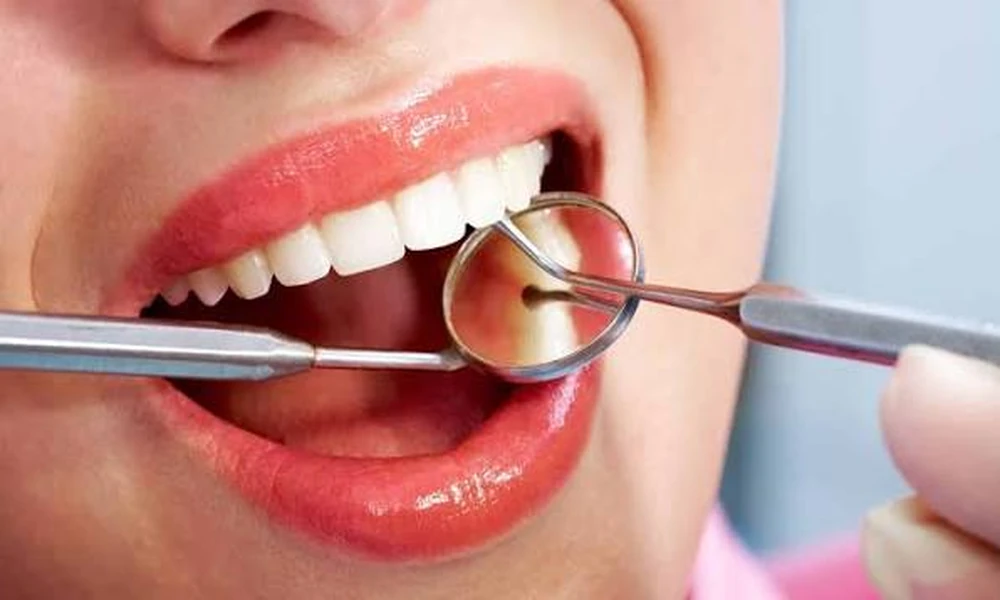

You may have noticed small changes that are hard to ignore. Your mouth feels drier than it used to. Cold drinks hit a little harder. A filling that was quiet for years suddenly starts acting up. Aging does not mean you have to expect bad teeth, but it does mean your mouth needs different kinds of care than it did at 25. If needed, options like clear aligners in Downtown Phoenix can also be part of a personalized dental care plan.
That can feel frustrating, especially when you are already keeping up with medications, doctor visits, and the normal wear of daily life. The good news is simple. Most dental problems tied to aging can be slowed down, managed, or prevented with steady habits and the right support from a general dentist. Healthy teeth as you age comes down to a few practical moves that protect your gums, enamel, and overall health.
Aging changes your mouth, and small problems can grow fast
Teeth last a long time, but they do not stay unchanged. Enamel wears down. Gums may recede, which exposes softer root surfaces that decay more easily. If you have arthritis, brushing and flossing can become harder, even if you know exactly what you should be doing. If you wear dentures, fit can change over time and sore spots can start quietly.
Dry mouth is one of the biggest issues. Many common medicines reduce saliva, and saliva is part of your mouth’s defense system. When it drops, plaque sticks around longer, cavities can form faster, and swallowing or speaking may feel uncomfortable. The National Institute on Aging explains this clearly in its guide on taking care of your teeth and mouth.
This is where people often get stuck. You may brush twice a day and still deal with decay near the gumline. You may not have pain, so you put off a visit, then find out a small area has turned into a cracked tooth or infected gum pocket. Mouth problems rarely stay small when they are ignored.
Daily habits matter more with age, not less
The first of the 7 ways to keep your smile healthy as you age is also the least flashy. Clean your teeth and gums thoroughly every day. Brush with fluoride toothpaste twice a day, clean between your teeth once a day, and brush gently along the gumline where plaque builds fast.
The second is to make dry mouth a real priority. Sip water often, avoid tobacco, and be careful with alcohol based mouth rinses that can leave your mouth feeling even drier. The National Institute of Dental and Craniofacial Research offers practical guidance for older adults and oral health, including ways to manage dryness and denture care.
The third is to watch what touches your teeth all day. Sugary snacks, cough drops, and frequent sipping of sweet drinks keep feeding bacteria. Even drinks that seem harmless can create repeated acid exposure. The issue is not just what you eat. It is how often your teeth are exposed.
The fourth is to protect your gums. Bleeding, swelling, and tenderness are not just annoyances. Gum disease can loosen teeth and make chewing harder, and it often starts with signs people brush off because they are painless.
Prevention costs less than repair
The fifth step is seeing a dentist on a schedule that matches your risk, not just your calendar. Some people do well with routine six month visits. Others need closer follow up because of gum disease, dry mouth, diabetes, smoking history, or past dental work. A general dentist can spot root decay, worn fillings, and oral tissue changes before they turn into expensive treatment.
The sixth is keeping the rest of your health in the picture. Diabetes, heart disease, immune conditions, and medications all affect the mouth. If your gums are inflamed or healing is slow, your dental care plan should reflect that. The CDC shares useful oral health tips for adults that connect everyday prevention with broader health risks.
The seventh is not trying to tough it out when something changes. A loose denture, a sore that does not heal, pain when you bite, or sudden sensitivity all deserve attention. Waiting often turns a manageable fix into a bigger procedure.
Home care and professional dental care do different jobs
| Need | At Home | With a Dentist |
|---|---|---|
| Plaque control | Brushing twice daily and cleaning between teeth lowers daily buildup | Professional cleanings remove hardened tartar you cannot remove yourself |
| Cavity prevention | Fluoride toothpaste, less sugar, and more water reduce risk | Early exams catch root decay, failing fillings, and weak spots before pain starts |
| Dry mouth support | Hydration and saliva friendly habits help symptoms | A dentist can review causes, suggest products, and adjust prevention plans |
| Gum health | Daily cleaning lowers inflammation | Deep pockets, bleeding, and bone loss need evaluation and treatment |
| Dentures and restorations | Daily cleaning helps comfort and hygiene | Fit, wear, and damaged dental work need professional adjustment or repair |
This is the difference many people learn the hard way. Home care is your daily defense. Professional care finds what you cannot see and treats what a toothbrush cannot fix. Senior dental care tips work best when both pieces are in place.
Three steps you can take today
Check your mouth for patterns. Pay attention to dryness, bleeding, tenderness, bad breath, sensitivity, and any sore spot that stays longer than two weeks. A pattern tells you more than a single bad day.
Upgrade one habit, not ten. If flossing is hard on your hands, try floss picks or an interdental cleaner. If you forget water, keep a bottle where you sit most often. If nighttime brushing slips, attach it to another routine you never miss.
Book preventive care before something hurts. Pain is a late signal in dentistry. A visit focused on prevention is usually easier, shorter, and less expensive than a visit driven by damage.
Your smile can stay strong for years
Oral health for older adults is not about chasing perfection. It is about keeping your mouth comfortable, functional, and healthy enough to eat well, speak clearly, and live without avoidable pain. Age changes the picture, but it does not take away your options.
If your mouth has been giving you signs that something is off, do not wait for it to become a bigger problem. Reach out to a general dentist and get ahead of it while the fix is still simple.









Leave a Comment